
When a laboratory process calls for serious heat, the equipment has to do considerably more than simply get hot. Temperature uniformity, chamber or tube configuration, atmosphere requirements, heating rate, controller capability, and maximum operating temperature can all determine whether a furnace is right for the application.
That is precisely the territory Thermcraft specializes in.
Thermcraft is an international manufacturer of high-quality thermal processing equipment, producing laboratory and production furnaces along with ovens, kilns, ceramic fiber heaters, cast heaters, heater coils, air heaters, and semiconductor diffusion heaters. Its broader equipment portfolio supports application temperatures reaching as high as 1800°C (3272°F).
For laboratories shopping through Hogentogler, the Thermcraft lineup is organized into three primary furnace categories: muffle furnaces, tube furnaces, and ashing furnaces. Each handles high-temperature processing differently, making the distinction between them especially important when choosing equipment.
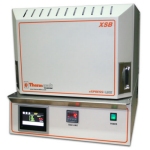
Muffle furnaces provide an enclosed, high-temperature chamber for heating samples and materials without direct exposure to the heating elements. They are among the most versatile types of laboratory furnaces and can be used for heat treatment, ignition testing, loss-on-ignition procedures, materials research, ceramics work, gravimetric analysis, and numerous quality-control applications.
Thermcraft muffle furnaces are a natural fit for laboratories that need controlled high-temperature processing in a conventional chamber configuration. Samples can be loaded directly into the furnace chamber using appropriate crucibles, trays, or other heat-resistant laboratory ware.
When selecting a laboratory muffle furnace, maximum temperature is only the beginning. Chamber dimensions, usable volume, temperature uniformity, controller capabilities, heating and cooling requirements, sample size, and the amount of material processed per cycle should all be considered.
Muffle furnaces are particularly valuable when laboratories perform multiple types of high-temperature work. A materials laboratory might use the same general class of furnace for heat treatment and thermal testing, while a quality-control laboratory may rely on it for ignition or residue analysis.
Thermcraft's specialization in thermal processing really shows in this category. A muffle furnace needs to withstand demanding temperatures while giving the operator useful control over the process, and Thermcraft brings considerable furnace-building expertise to that deceptively simple box. They're especially compelling for laboratories that need a serious high-temperature workhorse rather than an instrument dedicated to just one narrow procedure.
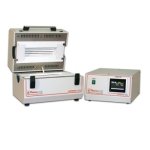
Tube furnaces approach high-temperature processing differently. Instead of placing samples inside a conventional box-shaped chamber, the material is heated within a tube passing through the furnace's heated zone. That configuration makes tube furnaces particularly useful when a process requires controlled gas flow, a specific atmosphere, continuous material movement, or a sample geometry better suited to a cylindrical work area.
Thermcraft tube furnaces can serve applications in materials science, chemistry, semiconductor research, ceramics, metallurgy, nanomaterials, catalyst research, and other fields requiring precise high-temperature processing.
One of the biggest reasons laboratories choose a tube furnace is atmosphere control. Depending on the complete furnace configuration and accessories used, a tube-based system can make it possible to process samples under inert or other controlled atmospheres rather than simply exposing them to ambient laboratory air.
Tube diameter, heated-zone length, maximum operating temperature, tube material, number of heating zones, controller requirements, and desired atmosphere are therefore critical considerations. Researchers should think about the entire process—not merely the temperature setpoint—before selecting a tube furnace.
Tube furnaces are where thermal processing starts getting particularly interesting. The tubular configuration opens the door to experiments that would be difficult to accomplish in an ordinary chamber furnace, especially when researchers need to manage the atmosphere surrounding the sample. Thermcraft's deep background in furnaces and heaters makes the brand particularly at home in this highly configurable category.
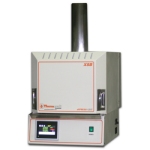
Ashing furnaces are designed specifically for procedures in which organic material is burned away so that the remaining inorganic residue, or ash, can be analyzed. This makes them important instruments in analytical laboratories performing ash determination, loss-on-ignition testing, gravimetric analysis, and related procedures.
Typical applications can include the analysis of food, feed, agricultural materials, polymers, petroleum products, coal, environmental samples, pharmaceuticals, and other materials where determining inorganic residue provides useful information about composition or quality.
Although an ashing furnace may resemble a general-purpose muffle furnace, the application creates its own set of requirements. Combustion produces smoke, vapors, and gases that must be handled appropriately, so ventilation and airflow become especially important considerations.
Reliable temperature control matters as well. Analytical ashing methods commonly specify particular temperatures, heating periods, and preparation procedures. A furnace used for routine quality-control testing therefore needs to support a repeatable process from one batch of samples to the next.
This is a great example of why choosing equipment by application matters. You could look at an ashing furnace and a conventional muffle furnace and conclude that both are simply very hot boxes—but the analytical workflow tells a different story. Thermcraft's dedicated ashing furnaces give laboratories an option built around the realities of combustion-based testing rather than forcing a general-purpose furnace into a specialized role.
The Thermcraft equipment available through its Hogentogler brand page is organized into three categories: muffle furnaces, tube furnaces, and ashing furnaces. Thermcraft's broader thermal-processing portfolio also includes laboratory and production furnaces, ovens, kilns, and several types of industrial heaters.
A muffle furnace heats samples inside an enclosed chamber, making it a versatile choice for general high-temperature laboratory processes. A tube furnace heats samples inside a tube extending through the heated zone. The tube configuration can be particularly advantageous when the application requires controlled atmosphere or gas flow.
Muffle furnaces can support many different high-temperature laboratory procedures. Ashing furnaces are intended specifically for applications involving combustion of sample material and analysis of the remaining ash or inorganic residue. Because combustion products are generated during these procedures, airflow and exhaust considerations become particularly important.
Tube furnaces are used for high-temperature research and processing applications in fields such as materials science, chemistry, ceramics, metallurgy, semiconductor research, catalyst development, and nanomaterials. Their tubular work area makes them particularly useful for applications involving controlled atmospheres.
Start with the application rather than simply choosing the furnace with the highest temperature rating. Consider required operating temperature, chamber or tube dimensions, sample size and throughput, temperature uniformity, heating rate, controller requirements, atmosphere requirements, ventilation, available electrical service, and the laboratory method being performed.
Thermcraft states that its thermal-processing equipment portfolio supports applications at temperatures up to 1800°C (3272°F). The actual maximum temperature varies by furnace and equipment configuration, so users should select a specific model based on the temperature requirements of their application.
Thermcraft is different from a laboratory-equipment manufacturer that happens to have a furnace or two somewhere in a giant catalog. Thermal processing is the company's specialty.
Its broader manufacturing portfolio includes laboratory and production furnaces, recirculating ovens, vacuum-formed ceramic fiber heaters, cast heaters, heater coils, air heaters, ovens, kilns, and semiconductor diffusion heaters, with equipment supporting applications up to 1800°C (3272°F).
That thermal expertise carries naturally into the three Thermcraft furnace categories available from Hogentogler. A general laboratory needing versatile chamber heating can turn to a muffle furnace. Researchers requiring a tubular work zone or greater control over the sample environment can consider a tube furnace. Analytical laboratories performing residue and ash determinations have dedicated ashing furnaces designed around that specific workflow.
For materials laboratories, industrial quality-control facilities, universities, research organizations, analytical laboratories, and other facilities routinely working at elevated temperatures, Thermcraft offers something particularly valuable: equipment from a manufacturer whose business revolves around understanding what happens when things get very, very hot.